

Red Bull is crazy.
#RedBull consistently pull off insane and seemingly impossible stunts. Landing a plane on a tiny helipad, on top of a skyscraper. Breaking the sound barrier by jumping from a height of 39 KILOMETRES. A motorcyclist performing a flip between two moving trucks. A pilot hanging by the side of his own plane, whilst 20,000 ft up in the air. Free-falling 220ft into an airbag.
The list is endless.
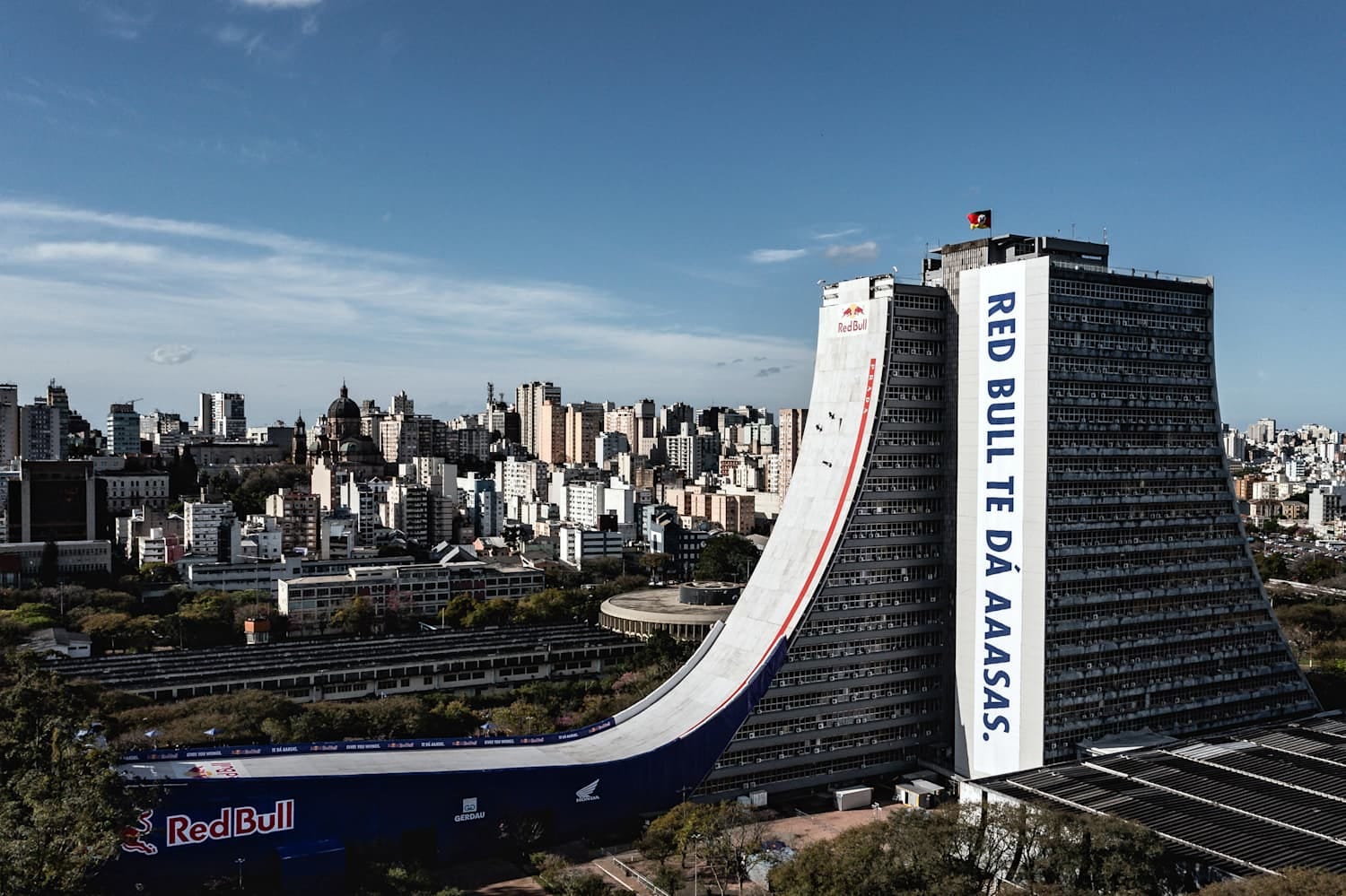
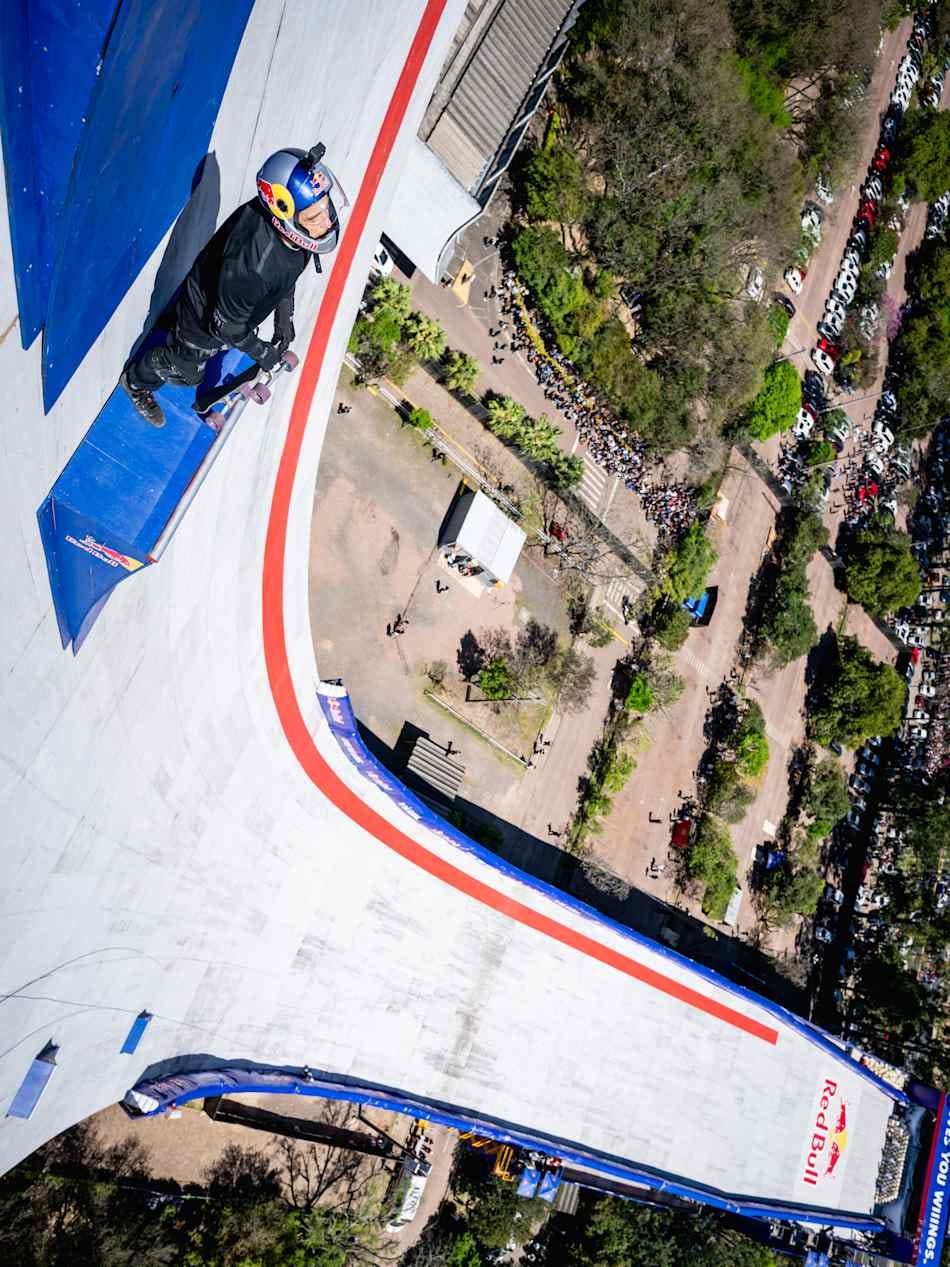
The latest in this series of adventures was Sandro Dias was skating down the side of a building. A 70m drop. Speeds of up to 120 kph on a skateboard. Almost 4Gs of force. And, a live audience.
Red Bull baffles me in every video with their sheer audacity. As do the mavericks who agree to take part in these mind-boggling stunts. I think the brief they get is “think of an activity that would kill a human, find a human who will do it and come out alive”.
It’s madness. Borderline lunacy. Pure insanity! And yet, stunt after stunt… they keep on succeeding.
Now, here’s the best part: I am about to tell you how.
Mavericks have methods
The traditional image of a daredevil is someone who makes a bold bet. Something that’s never been done. Then they just commit to making it happen.
Annie Taylor, “I am going to roll down the Niagara Falls in a wooden barrel.”
Evel Knievel, “I am going to jump over 14 buses on a motorcycle.”
Alain Robert, “I'm going to climb a 508-meter-tall skyscraper, without safety gear.”
The same thing happens with Sandro and all the other Red Bullers. He sees a massive building that looks like a stake ramp and wonders, “I wish I could skate down it.” Red Bull comes along, and at the age of 50, Mr Dias skates down a building.
Crazy? Right?
But watch three or four of the Red Bull videos, and you’ll realise that talent, courage, and bravado are just the first step. Away from the main stage, these mavericks have methods. They have frameworks that allow them to dance with chaos on their own terms. Their audacity rests on rigorous systems that turn the impossible into reality.
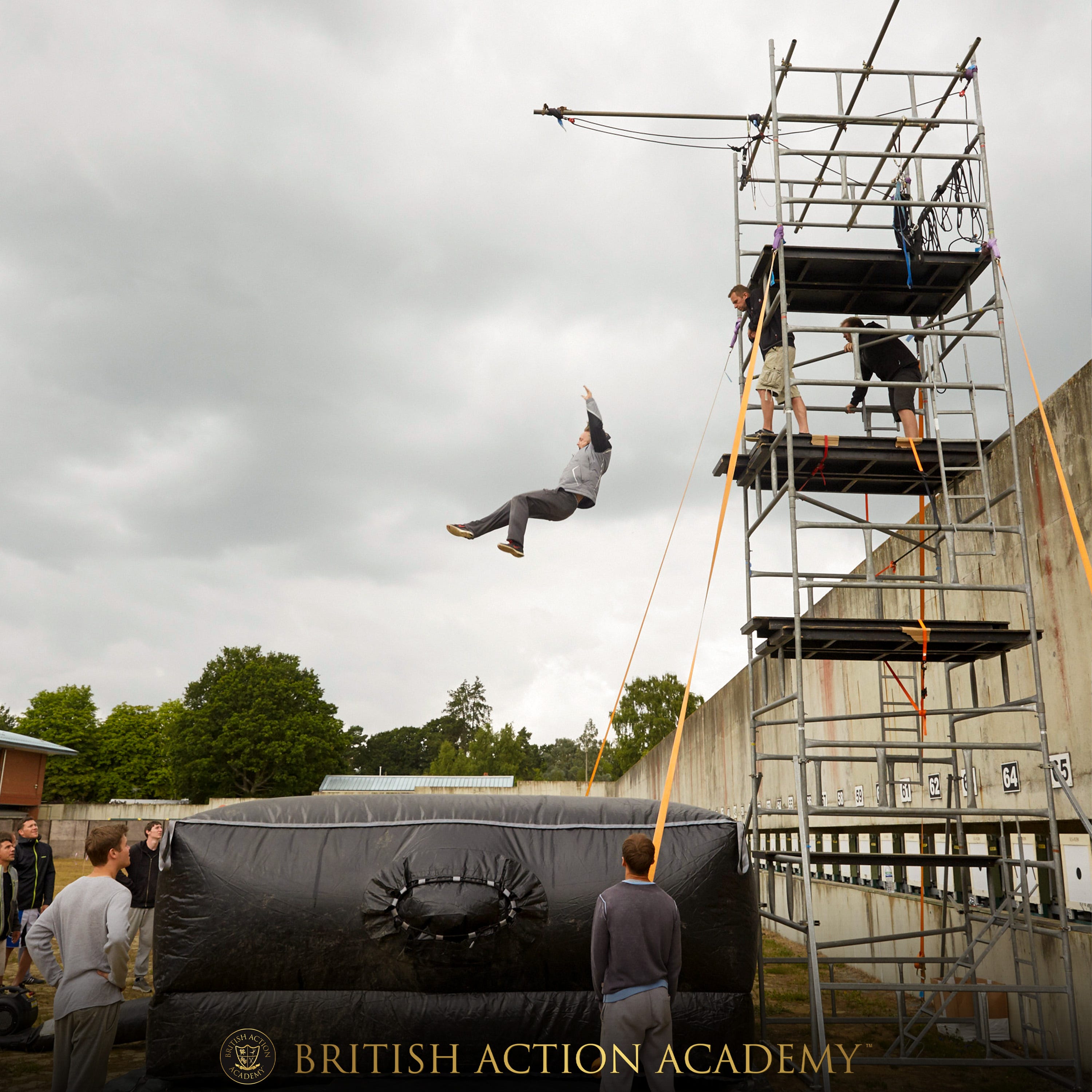
For the rest of us, there are lessons to be learnt.
Let’s dive into it.
Takeaway 1: Isolate and master parts of the problem.
You can’t practice skating down a 70m ramp because it doesn’t exist. Same for many of the other stunts. These are things that have not been done before. And if they have, the new attempt is on such a large scale that the rules change drastically.
So, the first thing that the Red Bull team do is break the stunt down into individual components. They break their vision down and gain mastery over these smaller pieces. In Sandro’s case, the stunt broke down into: the speed that would come as a result of the 70m drop, the g-forces that Sandro would experience, maintaining balance whilst facing the speed and g-forces, and the dismount (the ramp wasn’t long enough to slow him down naturally.
For the g-forces, they put weighted vests on him as he went down large ramps. Practising the drops with the vest also helped him get a feel for the balancing game. To handle the speeds, he mounted his skateboard whilst being towed by a car at 85 mph. Finally, he’d practice his dismount by letting go of the car near his “landing pit”.
They trained each physical and psychological variable separately: speed, force, balance, and landing.
Complex problems cannot be solved in one go. They shouldn’t be. We need to deliberately separate the variables to gain control over complex systems. When Netflix was transitioning from DVD rentals to becoming a streaming platform, they spent a lot of time refining the recommendation algorithm (look up the Netflix Prize competition). The various elements had been tested individually: algorithmic trust, thumbnail psychology, and feedback. The interface only came after the behavioural logic had been validated.
Imagine if they had not isolated the algorithm and just launched headfirst. A boxing lover keeps on getting Mean Girls as a recommendation, and someone who loves classical literature keeps on getting recommendations for Japanese action movies.
Break your problem down. Isolate the components. Bite off what you can chew. Then keep biting. This is how you tackle real-world uncertainty.
Takeaway 2: Don’t simulate “optimal environments”, simulate reality
Sandro’s practice sessions were designed to make him feel the actual stunt. These were not cushy and comfortable lab settings. These were stress tests. The exercises helped him develop confidence beyond just intellect. Sandro’s mind and body knew what they would be feeling on the day.
Far too many times, we test our solutions under lab conditions and not under human conditions. The result is a successful test and a dissatisfied user. For example:
A Figma prototype isn’t enough. What will you do when your APIs fail in the real world?
You got great feedback from your product manager on the guide you wrote on taxation, but the readers actually find your tone to be very patronising, and are not interested in approaching your firm. What’s the point?
The usability test scores were dazzling, and yet the customer support tickets keep on piling on and on and on. Where is the disconnect?
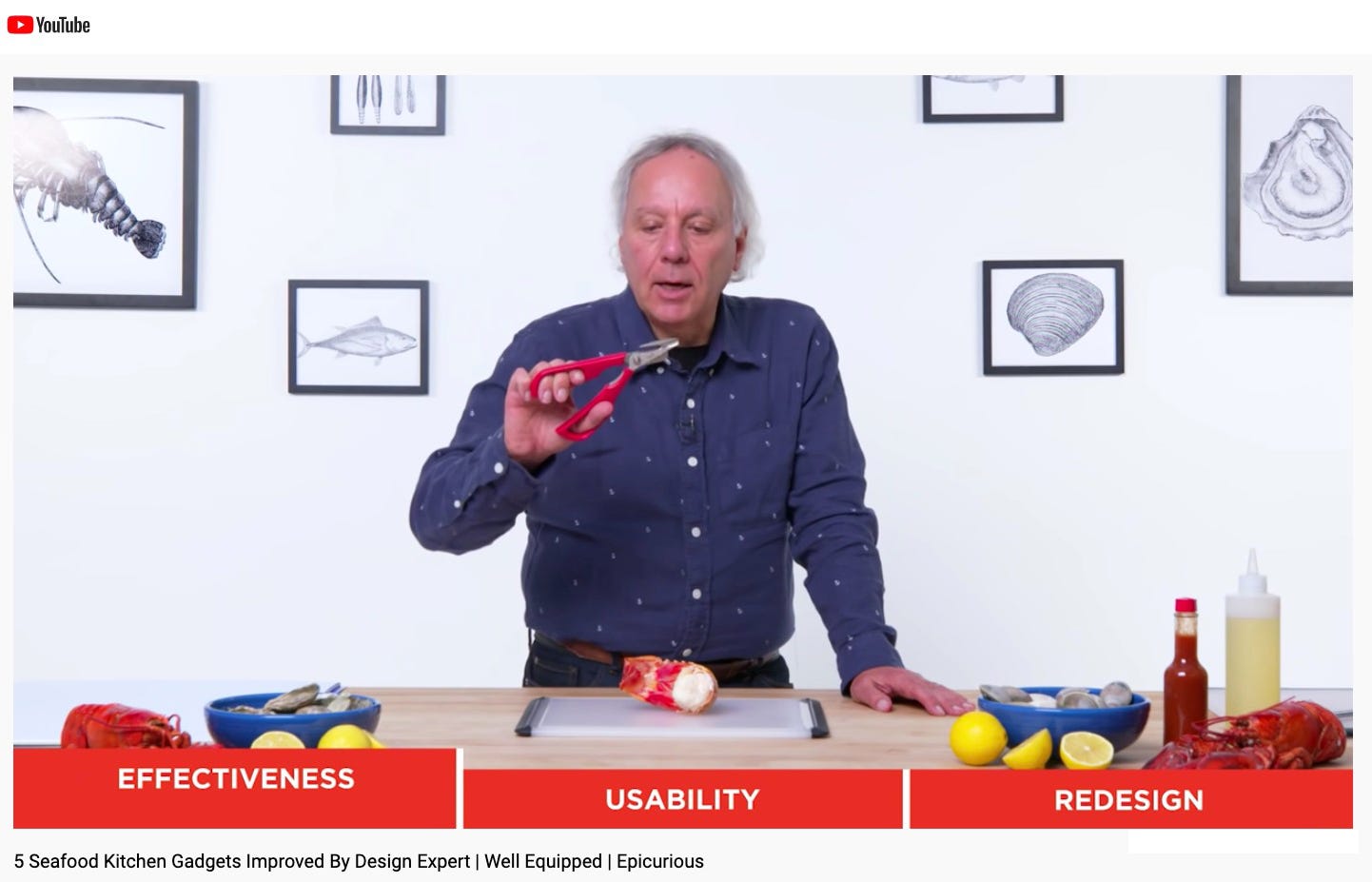
Emergency Services and the Armed Forces are known for the way they use simulations to practice for the real world. Dan Formosa, the legendary kitchen gadgets designer, uses the “left-handed oil test” to see how someone with a physical impairment might feel when they use a certain product. In the arts world, there are dress rehearsals with an invited audience. The performers don’t just get to experience the stage but also the presence of an audience.
The UK’s Government Digital System emphasises uncovering friction under realistic conditions. Before launching the GOV.UK Pay service, designers ran mock policy environments, usability sessions, and service walk-throughs with real civil servants — testing everything from accessibility to tone of voice. They simulated citizen experience under pressure, i.e. people paying taxes, fines, or fees, to find and remove friction.
Test for the human experience, and not the lab.
Takeaway 3: Synthesis needs trust.
No one had ever done a 70m drop on a quarter pipe. There was no precedent. Sandro had tested the individual elements. The Red Bull team had data and calculations.
But the bottom line is that there was no way to fully test the stunt.
There comes a time when the data runs out, and you have to go for it. The practice games stop, and the real match begins. And on a foundation of research and practice, you have to trust yourself.
On the day Sandro pushed off the ramp, he put his learning and experience into practice. He first jumped in at a lower height and quickly worked up to 70m. Learning, refining, and adapting with each attempt.
Pixar’s films go through years of isolated refinement (storyboarding, animation tests, voice acting, lighting, etc). Each discipline has its own metrics and standards. But the turning point always comes during what they call “the brain trust” reviews. The moment when the film is shown is rough but whole. It’s messy, incomplete, and emotional. The movie comes together through those conversations. The team’s collective intelligence works together to create a story that “breathes.”
Like Sandro, each of Pixar’s directors has to take the call and submit their creation to a brain trust. They know that the first version will suck. But if they don’t bring the whole movie together and present it for feedback, they’d never release any movie.
Stand-ups do open mics, test out their material in front of a real audience. That’s where they see if their jokes are coming together into a narrative. They get to see how their routine flows as a whole.
You have done the prep. Now, let go of it. Drop in like Sandro.
Launch, collect feedback, and iterate.
Takeaway 4: Build a system.
Sandro’s quarter pipe isn’t a one-off. Red Bull’s YouTube channel is actually full of such stunts. They have their own athlete performance centre. They have various stunt teams. Sometimes they are just sponsoring the athletes, and on other occasions, they are running the show. Whatever the situation way, they have built an environment for successful experimentation. They have combined the experience of numerous stunts into a framework that is now central to their ability to deliver the impossible.
Creativity and innovation aren’t a result of spontaneity. There’s no mad genius in a dark laboratory working continuously till the breakthrough is achieved. They are the results of a system. Red Bull, Amazon, Spotify, Apple, IDEO, Pixar, Tesla, SpaceX, and many other organisations around the world practice systemised innovation. In fact, they deliver so many successes that we stop treating them as innovators.
Let’s take a slightly different approach:
Imagine an F1 pit stop team that just worked really fast, but without a system. I wonder how that pit stop would go?
Imagine a surgery team that didn’t have a process for dealing with a mid-procedure cardiac arrest? Would the surgeon’s “brilliance” be enough?
What if soldiers didn’t practice drills for cleaning their weapons under fire? Would they survive a gunfight?
In each situation, success is dependent on the quality of the system and its processes.
Build a system so that your learning can start to compound. Over time, a certain maturity develops, which makes experimentation and responsiveness part of the culture, not a one-off event.
In conclusion.
Turns out Red Bull gives you wings, and a framework for innovation that’s practical and human-centric. Here’s the recap:
Break your problem down, and tackle the smaller units
Test as close to reality as possible
At some point, you will need to step away from the drawing board and into the market
Learn from your successes and failures to build a “System of Readiness”
That’s all, folks!
If you’d like to have a conversation about systems and success, you can book a call through this link: https://calendly.com/sharmapulkitmukesh/30min or write to me at pulkit@pulkit.co.uk